Skip to content
2140 S Memorial Dr, Tulsa, OK Mon, Wed, Fri 8–12 & 1:30–6 · Tue, Thu 8–1

Spinal Decompression in Tulsa

Gentle, non-surgical, drug-free relief for disc pain, sciatica and chronic back pain.

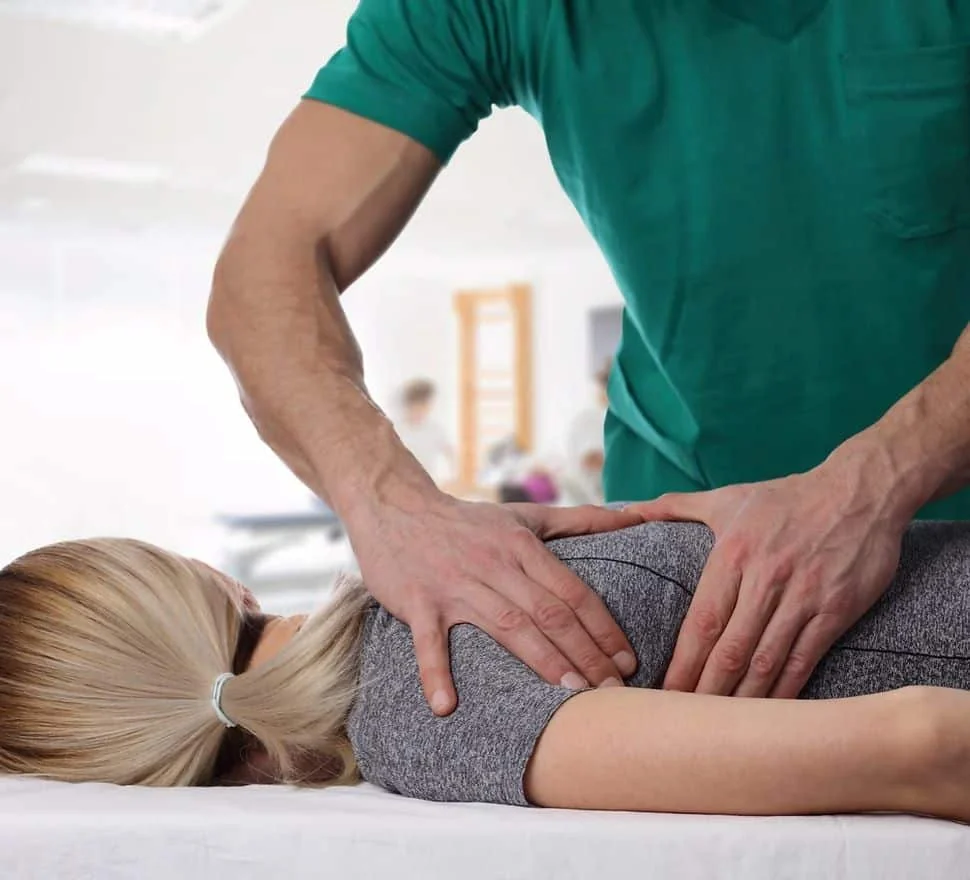
Practitioner pressing on the lower back of a patient lying face down
Computerized decompression therapy
Non-surgical relief

Relief for back and neck pain at its source

Spinal decompression is a non-invasive, non-surgical treatment for back and neck pain. At Halsey Chiropractic, Dr. Kyle Harders uses computerized decompression therapy to gently reduce pressure on the nerves and joints of the spine.

It is well suited to disc problems, degenerative arthritis and chronic spinal pain that has not responded to other treatment. It offers a drug-free option for patients who want relief without the risks of surgery or long-term medication.

Woman in running clothes holding her lower back outdoors

How spinal decompression works

Decompression applies intermittent traction to the spine at carefully calculated angles and pressures. The traction creates gentle negative pressure inside the affected discs. That helps draw disc material back toward its proper position and encourages blood, oxygen and nutrients to flow into the injured area.

Over a series of treatments, this process takes pressure off irritated nerves, reduces inflammation and restores more normal motion to the spine. Most patients find the treatment comfortable and even relaxing, and many notice a change within a few sessions.

Discs are the cushions between the vertebrae. With age, injury or years of heavy work they can bulge, herniate or wear thin, and a disc that presses on a nerve can send pain, numbness or tingling down an arm or leg. The National Institute of Neurological Disorders and Stroke has a clear overview of back pain and its causes.
Conditions that respond well to decompression

Spinal decompression has helped many patients with conditions that can be hard to treat with other methods alone:

Headaches and spasms respond best when they come from compression in the spine. Dr. Harders does a thorough evaluation before recommending decompression, to make sure it fits your condition and medical history.

  • Herniated discs
  • Bulging discs
  • Degenerative disc disease
  • Degenerative arthritis
  • Sciatica
  • Arm or leg numbness
  • Recurring headaches
  • Muscle spasms

What a session is like

You stay fully clothed and lie on the decompression table with a harness positioned around your hips or neck, depending on the area being treated. The computer then gently lengthens and relaxes the spine in timed cycles. Many patients read, rest or even doze off. Afterward you can usually return to your normal day.

Decompression is often combined with chiropractic adjustments and simple home exercises, so that the spine keeps its improved movement between sessions.

Is spinal decompression right for you?

Spinal decompression is a safe and effective option for many patients, but it is not recommended for everyone. A detailed consultation with Dr. Harders is always the first step. He will review your health history, discuss your symptoms and help you understand all of your options, so you can make an informed decision about your care.

Decompression is not recommended if you have

Tell us about any of these, and about any recent spinal surgery, before treatment begins.

  • Pregnancy
  • A fracture
  • A tumor
  • Abdominal aortic aneurysm
  • Advanced osteoporosis
  • Metal implants in the spine

Other options if decompression is not a fit

If decompression is not right for you, there are still ways we may be able to help. Hands-on adjustments work well for many kinds of back and neck pain, and if your disc injury came from a collision, our auto accident injury care covers the full recovery.

Schedule a spinal decompression consultation in Tulsa

Call 918-664-5180 to find out whether spinal decompression could be the answer you have been looking for. Our office is at 21st and Memorial in Tulsa.

The information on this site is general and is not medical advice. It does not replace an examination by a licensed provider. Individual results vary.

FAQ

Spinal decompression questions

Does spinal decompression hurt?

Most patients find it comfortable and even relaxing. The table applies gentle, gradual traction and then eases off in cycles. If anything feels wrong during a session, the treatment can be stopped right away.

How is spinal decompression different from an adjustment?

An adjustment restores motion to a joint that is not moving properly. Spinal decompression works on pressure inside the discs, using computerized traction to gently separate the vertebrae. They address different problems and can be used together.

Who should not have spinal decompression?

It is not recommended if you are pregnant or have a fracture, a tumor, an abdominal aortic aneurysm, advanced osteoporosis or metal implants in the spine. That is why a detailed consultation with Dr. Harders always comes first.

How many sessions will I need?

Decompression is done as a series of treatments rather than a single visit. Many patients notice a change within a few sessions. Dr. Harders will recommend a number based on your condition and review it as you go.

Find out if decompression is right for you

Call the office to book a consultation with Dr. Harders.